Why Communication and Nervous System Regulation Became the Foundation of My Health Practice
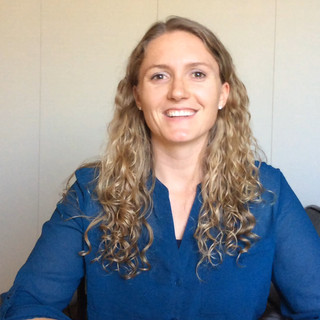
As a holistic health practitioner, I expected to spend most of my time talking about nutrition, supplements, sleep, exercise, and other health-related topics.
What surprised me was that some of the most important conversations happening in my office had very little to do with food.
Instead, they were about relationships.
Clients would come seeking support for fatigue, digestive issues, weight concerns, stress, chronic symptoms, or burnout. Yet again and again, the conversation would circle back to a challenge they were having with a spouse, partner, family member, friend, coworker, or employee.
I began noticing a pattern.
Many people were struggling not because they lacked health information. They were struggling because they lacked the skills to navigate relationships, regulate their emotions, and communicate effectively.
The Missing Health Skill No One Taught Us
Most of us have never received formal training in communication.
We weren't taught how to identify our emotions.
We weren't taught how to regulate our nervous systems.
We weren't taught how to navigate conflict.
We weren't taught how to express our needs clearly.
We weren't taught how to listen without becoming defensive.
Instead, many of us simply inherited the communication patterns we observed growing up.
Criticism.
Defensiveness.
Stonewalling.
Contempt.
These patterns become automatic because they are often all we've ever known.
Then we carry them into our marriages, friendships, workplaces, and families without realizing it.
The Real Work Happening in Health Sessions
Over the years, I found myself doing something unexpected during client sessions.
I wasn't just discussing nutrition plans or health recommendations.
I was helping people prepare for conversations.
We would rehearse difficult discussions with spouses.
We would practice setting boundaries with family members.
We would explore ways to communicate needs without blame or criticism.
We would work on identifying emotions and calming the nervous system before entering a challenging interaction.
Why?
Because I noticed that when someone's relationships felt unsafe, everything else became more difficult.
It didn't matter how perfect their diet was.
It didn't matter how many supplements they were taking.
If they were living in chronic conflict, anxiety, fear, or emotional stress, their nervous system remained stuck in survival mode.
And when the nervous system is stuck in survival mode, healing becomes much harder.
Relationships Shape Our Health More Than We Realize
The quality of our relationships influences nearly every aspect of our well-being.
Relationships affect stress levels.
They affect sleep quality.
They affect energy.
They affect motivation.
They affect mental health.
They affect our ability to care for ourselves.
When we feel emotionally safe and supported, we have more capacity to make healthy choices.
We have more patience.
More resilience.
More mental clarity.
More energy to invest in our goals.
When relationships feel unstable, much of our energy goes toward managing emotional distress rather than building health.
Why Neuroregulation Comes First
This realization is what led me to become increasingly passionate about nervous system regulation.
Communication skills are important.
But communication becomes much easier when the nervous system is regulated.
When we are anxious, overwhelmed, triggered, or emotionally flooded, our ability to listen, empathize, and problem-solve decreases.
We become reactive instead of responsive.
The first step is not simply learning what to say.
The first step is creating a nervous system that is capable of having the conversation.
This is why I believe neuroregulation and communication skills are foundational to health.
Before we can consistently improve our sleep, exercise habits, nutrition, or self-care routines, we often need to create greater safety and stability within ourselves and our relationships.
A Holistic View of Healing
I often think about this through the lens of human needs.
Just as we need food, water, and shelter, we also need connection.
We need to feel safe in our relationships.
We need to feel safe in our own bodies.
When those foundational needs are met, we gain the capacity to grow.
We can focus on improving our health.
We can pursue meaningful goals.
We can create positive habits.
We can become the person we want to be.
But when we are living in chronic stress, relational conflict, or nervous system dysregulation, much of our energy is spent simply trying to get through the day.
The Foundation of Well-Being
After years of working with clients, I have come to believe that communication and nervous system regulation are not separate from health.
They are health.
The ability to understand our emotions, regulate our nervous systems, communicate effectively, and build secure relationships creates the foundation upon which everything else is built.
When people feel safer in their bodies and more connected in their relationships, they finally have the capacity to address the other aspects of health that matter.
Nutrition becomes easier.
Sleep improves
Exercise becomes more sustainable.
Stress decreases.
Healing becomes possible.
That is why I believe the journey toward better health often begins not with a meal plan, but with learning how to regulate our nervous system and connect more effectively with the people around us.
Because when our relationships improve and we feel safe within ourselves, everything else becomes easier to build.
Comments